
Every second brings Nigerians closer to exercising their democratic right and shaping the future of our nation.
Exercise your democratic right responsibly, peacefully and lawfully.
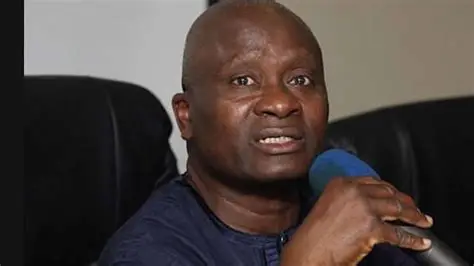
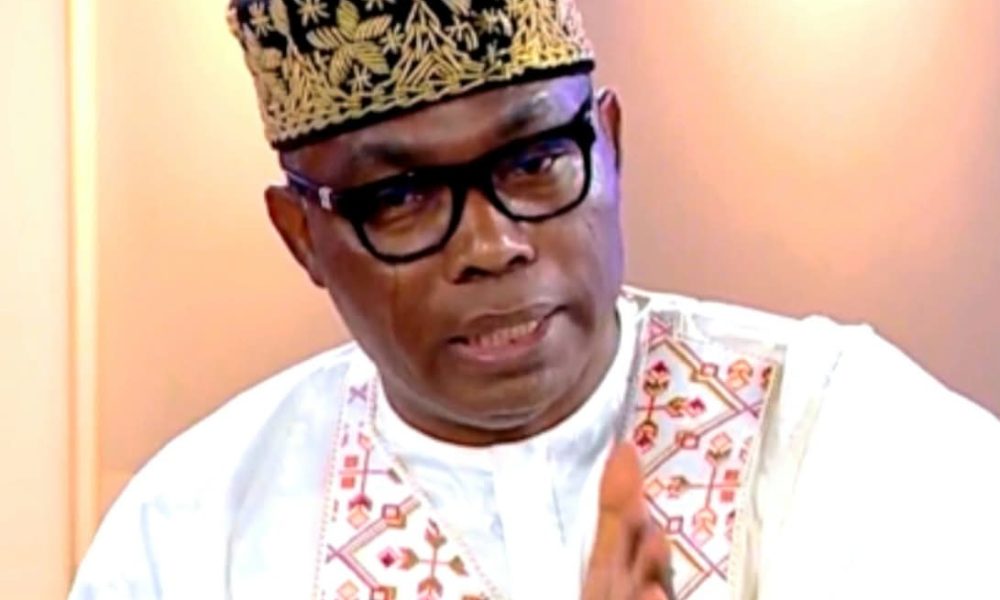
Adebayo has argued that Nigerians could have been paying as little as 200 naira per litre for petrol if the country had effectively tackled crude oil theft and addressed the financial losses associated with fuel subsidies. His remarks have renewed debate about Nigeria’s petroleum sector and the factors driving high fuel prices.
According to the report, he linked the high cost of petrol to longstanding challenges in the oil industry, including the diversion of crude oil and concerns over the management of public funds. He suggested that addressing these problems could have reduced the financial burden on the country and improved the affordability of petroleum products.
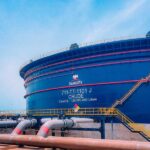
Crude oil theft has remained a major concern for Nigeria, threatening government revenue, disrupting production and limiting the economic benefits the country derives from its natural resources. Efforts to curb the practice have included stronger surveillance of oil facilities and pipelines, alongside security operations targeting illegal activities.
The removal of petrol subsidies has also continued to generate public debate because of its impact on transportation costs, food prices and household spending. While successive governments have defended subsidy reforms as a way to reduce pressure on public finances, many Nigerians continue to call for policies that would ease the cost of living.
Adebayo’s position highlights questions about accountability, oil-sector management and the relationship between crude oil production and domestic fuel prices. However, the claim that petrol could have sold for 200 Naira per litre remains an assertion that would require detailed economic analysis of crude oil costs, refining, distribution, exchange rates, taxes and government policy.