
Every second brings Nigerians closer to exercising their democratic right and shaping the future of our nation.
Exercise your democratic right responsibly, peacefully and lawfully.
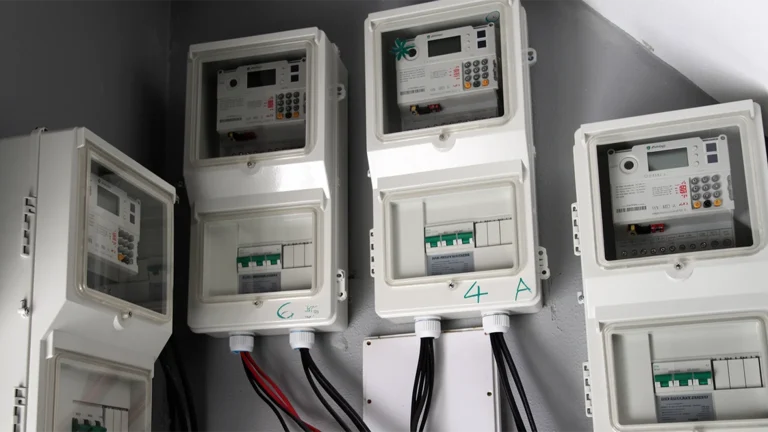
Nigeria’s electricity metering coverage has climbed to 63.10 per cent, but more than 4.7 million active customers remain without meters, highlighting the challenges facing efforts to improve billing transparency across the power sector.
Data from the Nigerian Electricity Regulatory Commission’s August 2026 metering report showed that 8.05 million customers had been metered out of 12.75 million active electricity accounts nationwide. The figure represents an improvement from July, when the national metering rate stood at 62.37 per cent.
Electricity distribution companies installed 141,746 meters in August, bringing the total number of metered customers higher. However, the monthly installation figure declined by 11.4 per cent compared with the 159,980 meters deployed in July, indicating a slowdown in the pace of expansion.
A breakdown of the figures showed that Eko Electricity Distribution Company recorded the highest metering coverage at 89.64 per cent, followed by Ikeja at 87.74 per cent and Abuja at 82.62 per cent. Port Harcourt also crossed the 70 per cent mark, recording a metering rate of 71 per cent.
Meanwhile, Jos, Yola, Kaduna and Kano recorded metering rates below 50 per cent, placing them among the poorest-performing distribution companies in the country. The regulator also outlined consumer protections covering meter installation, faulty meter replacement, estimated billing and reimbursement arrangements for eligible customers who pay for meters under approved schemes.