
Every second brings Nigerians closer to exercising their democratic right and shaping the future of our nation.
Exercise your democratic right responsibly, peacefully and lawfully.
Nigeria could face a financial burden of up to ₦1.77tn from the Federal Government’s petrol price relief initiative if the arrangement continues into 2027, raising concerns about its impact on public revenue, foreign exchange stability and investor confidence.
The warning was contained in a report by BMI, a research firm under Fitch Solutions, which examined the possible economic consequences of maintaining the intervention beyond its initial timeframe. The firm estimated that the package could account for between 0.2 and 0.4 per cent of the country’s Gross Domestic Product.
Using Nigeria’s 2025 nominal GDP of approximately ₦441.5tn, the projected cost translates to between ₦883bn and ₦1.77tn. BMI cautioned that a prolonged intervention could complicate the government’s efforts to manage its finances and maintain economic stability.
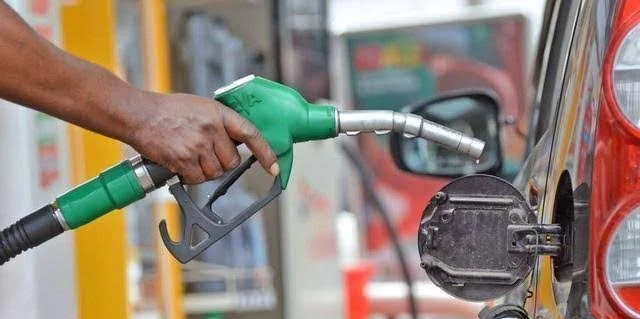
The initiative followed the government’s announcement of a temporary arrangement under which NNPC retail outlets would sell petrol without adding their usual profit margins. Authorities also proposed a ₦1,350-per-litre benchmark for wholesale petrol costs, with refiners and importers expected to absorb excess costs and recover the difference when market conditions improve.
Although the government initially presented the discount as a short-term measure, BMI expects it could remain in operation for about six months before being withdrawn around late March or early April 2027. The firm warned that extending the arrangement could reduce revenue remitted by the Nigerian National Petroleum Company to government accounts.
The report further projected that Nigeria’s budget deficit could rise from 1.7 per cent of GDP in 2025 to 3.3 per cent in 2026. It identified additional risks, including higher government borrowing costs, increased pressure on debt servicing and possible renewed depreciation of the naira.
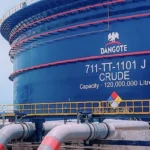
BMI also expressed concern that prolonged intervention in petrol pricing could affect investor confidence in Nigeria’s petroleum industry. According to the firm, uncertainty over pricing policies could discourage investment in the downstream sector and create challenges for the Dangote Refinery’s planned initial public offering.
The research firm acknowledged that the current arrangement differs from the former fuel subsidy system, which required government to absorb part of the cost of petrol. However, it maintained that keeping the discount in place for too long could create fresh economic pressures, particularly if it reduces government revenue and encourages cross-border fuel smuggling.