


Every second brings Nigerians closer to exercising their democratic right and shaping the future of our nation.
Exercise your democratic right responsibly, peacefully and lawfully.
The Abia State Government has outlined plans to increase agricultural output through large-scale rice cultivation, improved farming technology and assistance to thousands of farmers across the state.
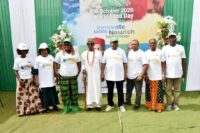
The Commissioner for Agriculture, Dr. Cliff Agbaeze, announced the initiatives during the 2026 World Food Day celebration held at the ministry’s headquarters on Bank Road, Umuahia, on Friday, October 16. The event focused on the theme, “Innovate Today. Nourish Tomorrow.”
According to Agbaeze, the government is preparing to establish rice production clusters covering 8,500 hectares in Arochukwu, Bende, Ohafia and Isuikwuato. The proposed project is expected to expand local rice production, create jobs and stimulate economic activities within farming communities.
He also disclosed that the state’s Farmers Support Programme is targeting 18,634 beneficiaries across the 17 local government areas, with the provision of improved planting materials and other agricultural inputs. The initiative, launched on July 10, 2026, is aimed at helping farmers increase yields and improve their capacity to meet food demand.
Agbaeze said the government was also strengthening its agricultural database through the Abia State Agriculture Dynamic Database System, which is being used to register and map farmers across 184 wards. The platform is expected to improve the identification of beneficiaries and ensure more effective distribution of government support.
The commissioner added that plans were underway to introduce digital tools for farm management, crop monitoring, input distribution and market access. He said the state was also exploring modern farm settlements with facilities for processing, storage and other services to support commercial agriculture.
On climate resilience, Agbaeze highlighted the need for better soil and water management, improved storage and reduced post-harvest losses. He urged farmers to adopt improved seeds and seedlings, noting that proper handling and management could enhance productivity and reduce exposure to pests and diseases.
The event featured agricultural exhibitions by farmers and cooperative societies from different parts of Abia, showcasing local produce and the potential for expanded production. The government said its broader agricultural strategy was to strengthen food security, improve rural incomes and position farming as a major source of employment and economic growth.