

Every second brings Nigerians closer to exercising their democratic right and shaping the future of our nation.
Exercise your democratic right responsibly, peacefully and lawfully.
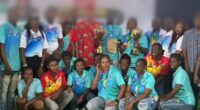
At least 120 persons living with disabilities in Ogoniland, Rivers State, have acquired vocational skills through an empowerment programme organised by the Hydrocarbon Pollution Remediation Project (HYPREP), aimed at improving their economic independence.
The participants received training in photography, fish farming, fashion design, shoemaking and basic computer operations, equipping them with practical knowledge to pursue self-employment and explore business opportunities.
Beyond the training, the beneficiaries were given starter kits to enable them to apply their newly acquired skills and begin income-generating activities within their communities.
Speaking at the graduation ceremony in Bori, Khana Local Government Area, HYPREP Project Coordinator, Professor Nenibarini Zabbey, said the initiative reflected the project’s commitment to ensuring that persons with disabilities were included in its development programmes.
He explained that the training areas were selected after consultations with representatives of the disability community to ensure the programme addressed their needs. He also encouraged residents and business owners to patronise the graduates and support their efforts to establish sustainable businesses.
Zabbey disclosed that HYPREP had continued to expand its human-capital development initiatives, with thousands of people from Ogoni communities benefiting from employment and vocational training opportunities. He said the project had also introduced programmes in technology-related fields to prepare young people and women for emerging career opportunities.
The initiative received commendation from the President-General of the Ogoni Association of Persons Living With Disabilities, Baridabdoo Ngo, who described it as an important step towards reducing the economic exclusion experienced by people with disabilities.
Ngo urged HYPREP to extend the opportunity to other members of the disability community who were not included in the latest batch. He also acknowledged the project’s support through the provision of assistive devices for beneficiaries with specific needs.
One of the participants’ families also testified to the impact of the programme, with Godfirst Barijasi of Barako community in Gokana Local Government Area explaining that her 13-year-old niece had learnt to sew clothes during the training.
The programme is expected to help beneficiaries put their skills to productive use, generate income and contribute more actively to economic activities in their communities.