

Every second brings Nigerians closer to exercising their democratic right and shaping the future of our nation.
Exercise your democratic right responsibly, peacefully and lawfully.
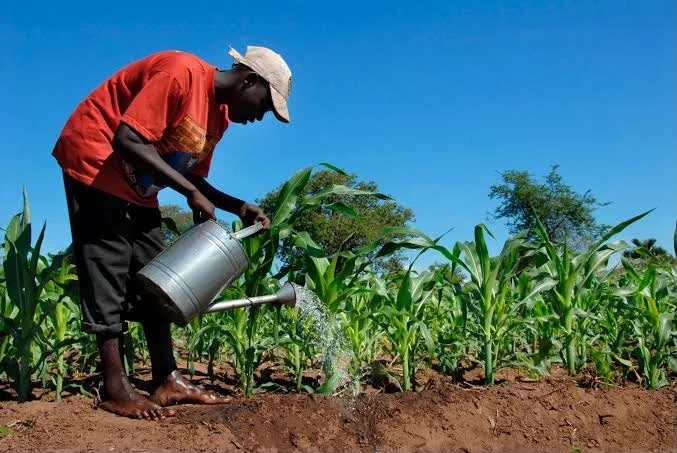
Farmers in Bauchi State have been advised to adopt irrigation and dry-season farming to increase food production, improve their earnings and ensure a more reliable supply of agricultural produce throughout the year.
The Emir of Katagum, Umar Faruq, gave the advice during a World Food Day programme organised by the Foundation for Sustainable Smallholder Solutions in Bauchi North Senatorial District. He was represented at the event by the Uban Doma of the emirate, Ummaru Lili-Hassan.
The traditional ruler encouraged farmers to embrace modern agricultural practices instead of relying exclusively on rainfall. He urged them to apply the skills acquired through training programmes to improve productivity, particularly during periods when rain-fed cultivation is not possible.
Speaking at the event, the foundation’s Lead Brand and Communication Manager, Clinton Inene, explained that the organisation was implementing agricultural support programmes across seven local government areas in Bauchi North.
According to him, the initiative focuses on helping small-scale farmers improve their output through irrigation, agroforestry, water management, climate-resilient seeds and better fertiliser application. The programme covers Katagum, Gamawa, Giade, Itas Gadau, Jama’are, Zaki and Shira local government areas.
Inene added that the foundation was also equipping participants with alternative income-generating skills to reduce their dependence on farming alone. Beneficiaries have received training in businesses such as soap production, bag-making, paint production and hairdressing.
He noted that the organisation was promoting household food production through backyard gardening, fruit cultivation and small livestock rearing, stressing that access to nutritious food remained an important component of food security.
Some beneficiaries shared their experiences at the programme, highlighting improvements in their agricultural activities and small businesses.
A rice miller from Dogon Jeji in Jama’are Local Government Area, Umar Abdulraheem, said support from the foundation had enabled him to acquire milling equipment, establish a business structure, register his company and package his rice under a brand name.
Similarly, Sulaiman Auwal said access to improved seedlings had helped him respond better to irregular rainfall, while Hauwa Muhammad explained that training in cap-making had opened up additional economic opportunities for her.
The event formed part of activities marking the 2026 World Food Day, observed on October 16, which focuses on innovation and sustainable solutions to improve food production, nutrition and agricultural livelihoods.