
Every second brings Nigerians closer to exercising their democratic right and shaping the future of our nation.
Exercise your democratic right responsibly, peacefully and lawfully.
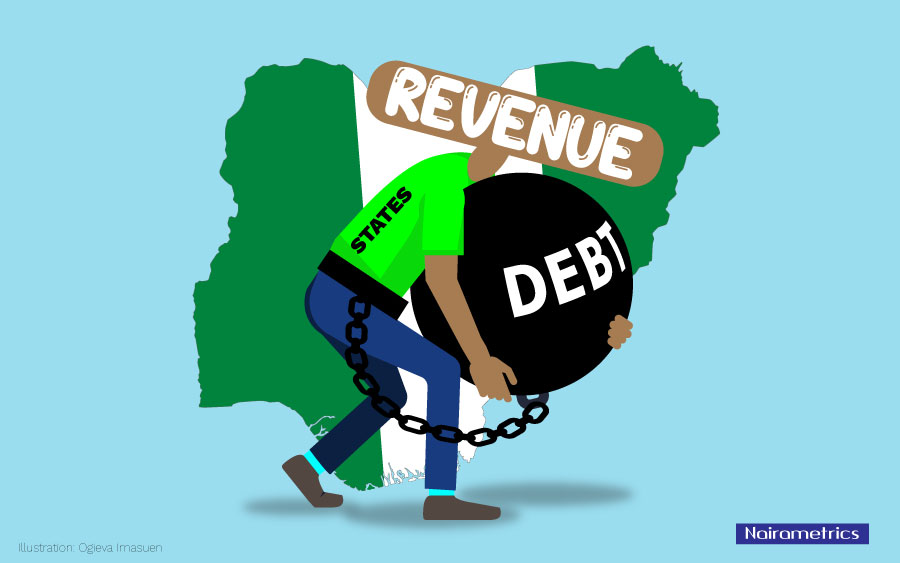
Nigeria’s public finances are facing fresh pressure after the Federal Government spent ₦7.7 trillion on interest payments between January and June 2026, exceeding its total revenue of ₦6.2 trillion by ₦1.5 trillion, according to a report by the World Bank.
The figures, contained in the bank’s October 2026 Nigeria Development Update, highlight the growing cost of borrowing and the challenge of balancing debt obligations with the need to finance national development.
Interest payments increased by ₦2.1 trillion, representing a 37.5 per cent rise from the ₦5.6 trillion recorded during the same period in 2025. The World Bank attributed the increase largely to high domestic borrowing costs.
Despite the rising debt burden, government revenue improved significantly during the first half of 2026. Earnings rose by 72.2 per cent, from ₦3.6 trillion in the corresponding period of 2025 to ₦6.2 trillion, supported by improved oil receipts, stronger corporate tax collections and higher independent revenues.
However, increased revenue has not translated into sufficient financial relief, as total government expenditure climbed to ₦16.1 trillion from ₦14.6 trillion a year earlier. Personnel costs also increased, while reported capital expenditure dropped to ₦700 billion, leaving less money available for infrastructure and other development projects.
The World Bank warned that rising recurrent obligations could continue to restrict the government’s spending capacity. It recommended stronger revenue collection, improved budget planning, reduced reliance on expensive borrowing and longer debt repayment periods to ease pressure on public finances.