

Every second brings Nigerians closer to exercising their democratic right and shaping the future of our nation.
Exercise your democratic right responsibly, peacefully and lawfully.
Tensions between the United States and Iran have intensified following Washington’s decision to deploy additional naval forces to the Middle East, increasing concerns about a possible escalation of the ongoing conflict. The latest military move comes amid stalled diplomatic efforts and continued disagreements over Iran’s nuclear programme and regional security.
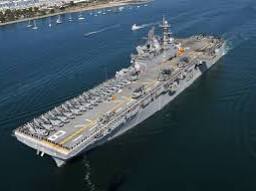
The latest deployment includes the USS Theodore Roosevelt aircraft carrier strike group and the USS Makin Island amphibious readiness group, accompanied by the 13th Marine Expeditionary Unit. The reinforcement is expected to expand America’s military capabilities in the region, with thousands of additional sailors and Marines heading towards the Middle East.
The deployment comes as US President Donald Trump considers possible further military action against Iran if diplomatic negotiations fail to produce an agreement. Washington’s growing military presence is also intended to provide additional operational options as the conflict continues to threaten regional stability and international shipping routes.
Iran, however, has maintained a defiant position, resisting pressure from Washington and insisting that key national interests, including its nuclear-related demands, cannot be compromised without significant concessions from the United States. Tehran has also called for measures such as sanctions relief and changes to American restrictions as part of any potential diplomatic settlement.
The growing military confrontation has raised concerns over the security of the Strait of Hormuz, a vital passage for global oil shipments. With both sides maintaining firm positions, international observers are watching closely to see whether renewed diplomatic efforts can prevent further escalation and reduce the potential economic consequences of a prolonged conflict.