
Every second brings Nigerians closer to exercising their democratic right and shaping the future of our nation.
Exercise your democratic right responsibly, peacefully and lawfully.
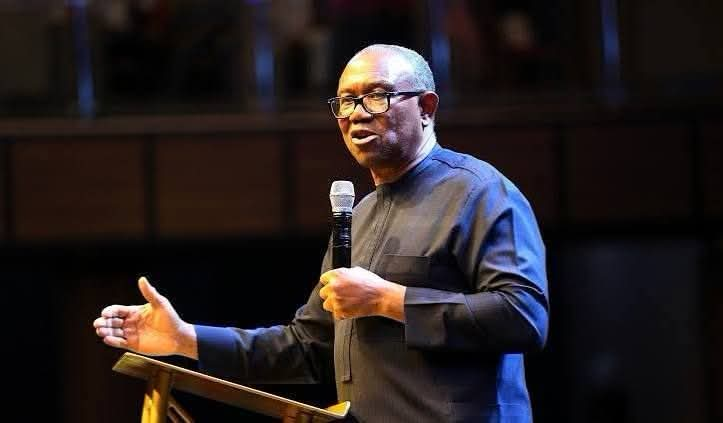
The presidential candidate of the National Democratic Congress (NDC), Peter Obi, has accused his political opponents of misrepresenting his comments about Nigerians living abroad, insisting that he never asked them to stop supporting their families back home.
Obi said his remarks had been taken out of context for political purposes, adding that his intention was to draw attention to the need for Nigeria to create an economy where citizens would not have to depend on relatives overseas to meet their basic needs.
In a statement addressing the controversy, the former Anambra State governor acknowledged the contributions of Nigerians in the diaspora, particularly their financial support for families struggling with school fees, medical expenses, accommodation and feeding.
He praised their sacrifices and commitment to their loved ones, noting that money sent home by Nigerians abroad continues to provide essential support to households across the country.
Obi, however, maintained that his position had been misunderstood, stressing that his concern was about building a country where citizens could earn decent incomes and access essential services without depending on family members living outside Nigeria.
According to him, the country should prioritise job creation, accessible healthcare, quality education and economic opportunities that would enable Nigerians to live with dignity.
He argued that the ultimate objective should be to establish a system that supports citizens rather than one that leaves millions of people reliant on financial assistance from relatives abroad.
Obi further accused political opponents of exploiting his comments to create a misleading impression of his position, insisting that his message was focused on improving the welfare of Nigerians at home.
He reiterated his appreciation for Nigerians both within the country and in the diaspora, expressing hope for a nation where citizens could thrive through improved economic conditions and better access to opportunities.
The controversy has drawn attention to the role of diaspora remittances in supporting Nigerian households and the wider debate over the country’s economic challenges and the need for sustainable development.