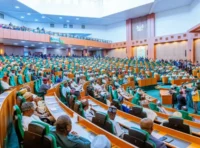



Every second brings Nigerians closer to exercising their democratic right and shaping the future of our nation.
Exercise your democratic right responsibly, peacefully and lawfully.
Global financial services firm JPMorgan has taken a major step towards entering Nigeria’s merchant banking market after receiving preliminary approval from the Central Bank of Nigeria.
The clearance brings the proposed JPMorgan Merchant Bank Nigeria Limited closer to becoming operational, although the company must meet additional regulatory requirements before it can commence business.
The development signals continued international interest in Nigeria’s financial sector as the country pursues reforms designed to improve banking stability, attract foreign capital and strengthen its position in global financial markets.
The proposed merchant bank is expected to focus on specialised financial services for corporate organisations and institutional clients. Its planned activities could include corporate financing, investment banking, capital mobilisation and advisory services for businesses seeking to expand their operations.
However, the initial approval does not amount to a full banking licence. JPMorgan will have to complete the necessary registration procedures and satisfy the CBN’s outstanding conditions before receiving authorisation to begin operations.
The apex bank has also cleared a number of individuals for leadership positions in the proposed institution. Adedapo Adedayo Olagunju was approved as managing director, while Latter Kevin George, Nzelu Chinedum Izunwanne and Syed Gabriel Murtaza received approval as non-executive directors. Alade Sarah Omotunde, Ajayi Olukonyinsola and Adetu Seni were approved as independent non-executive directors.
The move follows reports that JPMorgan deposited ₦50bn with the CBN in connection with its merchant banking licence application. The deposit was estimated at about $38m at the time of the report.
JPMorgan’s proposed entry could introduce additional competition and broaden the range of financial services available to major Nigerian businesses. Its eventual impact will depend on the completion of the licensing process and the commencement of operations.