

Every second brings Nigerians closer to exercising their democratic right and shaping the future of our nation.
Exercise your democratic right responsibly, peacefully and lawfully.
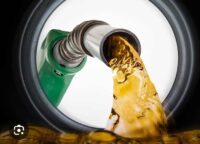
The Lagos State Government has called on regulatory agencies to strengthen cooperation in the approval and monitoring of petrol and gas filling stations to prevent environmental hazards and improve public safety.
The Lagos State Environmental Protection Agency (LASEPA) made the appeal at a stakeholders’ meeting held at the Lagos Chambers of Commerce and Industry Conference and Exhibition Centre in Ikeja. The forum focused on improving compliance with environmental regulations through stronger partnerships between government agencies and oil and gas operators.
The Special Adviser to the Governor on Environment, Olakunle Akodu, represented by the Director of Sanitation Services, Dr Hassan Sanuth, stressed that economic activities in the petroleum sector must not come at the expense of environmental protection. He identified air pollution, improper waste disposal, noise, harmful emissions and the discharge of industrial waste as concerns requiring adequate attention.
Similarly, LASEPA General Manager, Dr Babatunde Ajayi, represented by Kayode Bello, said environmental protection could not be achieved through government enforcement alone. He advocated greater engagement with industry operators, public education and sustained collaboration to encourage businesses to comply with established standards.
Chairman of the Lagos State House of Assembly Committee on Environment (Parastatals), Adebola Shabi, also called for improved coordination among agencies responsible for environmental protection, physical planning, energy regulation and public safety. He warned that poorly located filling stations could expose communities to environmental and safety risks, emphasising the importance of conducting proper environmental impact assessments before approving such projects.
Officials at the meeting further explained that prospective filling station owners must first establish whether their proposed locations are suitable for such facilities before approaching the relevant authorities for permits. They stressed that closer cooperation among LASEPA, physical planning agencies and the Nigerian Midstream and Downstream Petroleum Regulatory Authority would help streamline approvals, strengthen compliance and protect residents from preventable environmental dangers.