

Every second brings Nigerians closer to exercising their democratic right and shaping the future of our nation.
Exercise your democratic right responsibly, peacefully and lawfully.
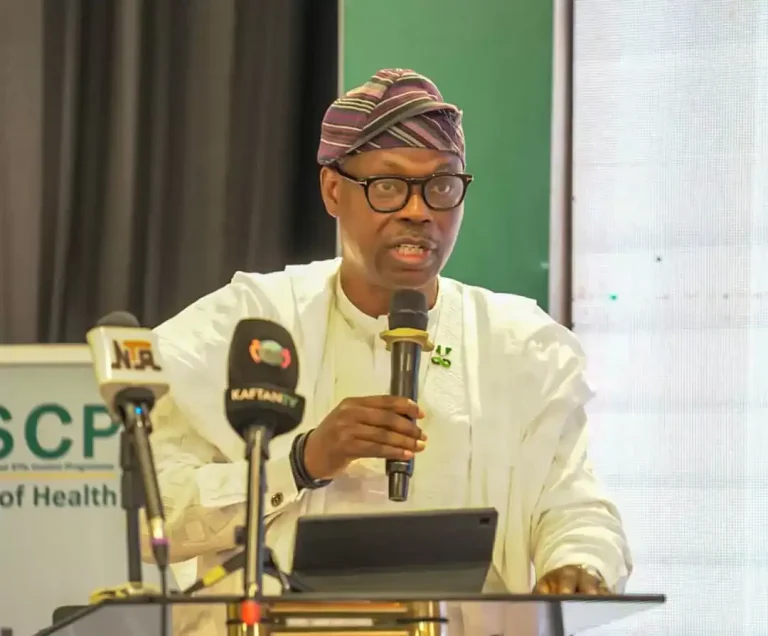
The Federal Government has called on medical practitioners to incorporate modern technology into healthcare delivery and place greater emphasis on preventing illnesses rather than concentrating mainly on treatment.
The Minister of Health and Social Welfare, Prof. Muhammad Ali Pate, stressed the importance of early diagnosis and preventive healthcare in reducing the impact of diseases on Nigerians. He noted that a stronger focus on prevention would help improve health outcomes and reduce the complications associated with illnesses that are detected late.
Pate’s position comes amid growing concerns over the rising burden of non-communicable diseases, including hypertension, diabetes, cancer and cardiovascular conditions, which often require prolonged medical attention and substantial financial resources.
The adoption of digital health solutions is also gaining attention as a means of strengthening medical services, improving disease monitoring and supporting clinical decisions. Artificial intelligence and other technological innovations have the potential to enhance diagnosis, improve access to medical information and make healthcare delivery more efficient.
However, experts have emphasised the need for adequate infrastructure, improved digital skills among healthcare workers and appropriate safeguards to ensure that technology is used responsibly in medical practice.
The renewed call for preventive care also highlights the importance of regular medical examinations, public health education and stronger primary healthcare services in identifying health problems before they become severe.
Stakeholders have continued to urge governments at all levels to increase investment in healthcare facilities, personnel and technology to ensure that more Nigerians can access quality and affordable medical services.