
Every second brings Nigerians closer to exercising their democratic right and shaping the future of our nation.
Exercise your democratic right responsibly, peacefully and lawfully.
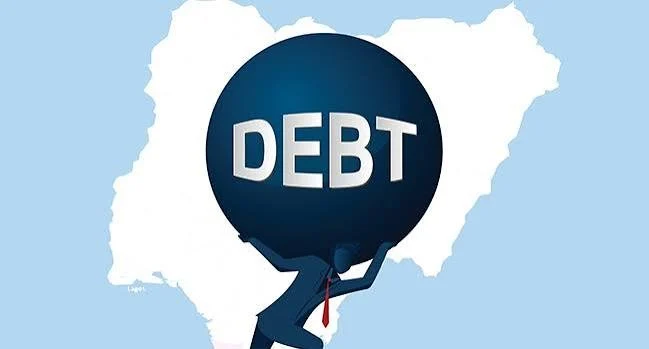
Nigeria’s domestic borrowing obligations continued to weigh on government finances in the first half of 2026, as the Federal Government disbursed ₦5.28 trillion to meet debt-related payments between January and June.
Figures from the Debt Management Office showed that interest payments on government securities accounted for most of the expenditure, reflecting the financial cost of raising funds through the domestic market.
Federal Government bonds attracted approximately ₦3.35 trillion in interest payments during the period, while Nigerian Treasury Bills accounted for another ₦1.49 trillion. The government also recorded payments on other instruments, including Sukuk, savings bonds and green bonds.
Beyond interest obligations, the government paid ₦333.96 billion towards the principal on promissory notes. This included ₦263.27 billion on naira-denominated notes and ₦70.69 billion on foreign-currency-denominated notes.
The monthly figures revealed considerable variations in expenditure. March recorded the highest domestic debt-servicing outlay at approximately ₦1.43 trillion, while May had the lowest at ₦567.16 billion. February’s payments stood at ₦967.67 billion, reflecting the uneven distribution of obligations throughout the six-month period.
The substantial expenditure highlights the competing demands on government revenue, as authorities must meet existing financial commitments while funding infrastructure, public services and other development programmes.
With debt servicing consuming significant public resources, the management of borrowing costs and the efficient use of borrowed funds remain important considerations for Nigeria’s fiscal planning.