
Every second brings Nigerians closer to exercising their democratic right and shaping the future of our nation.
Exercise your democratic right responsibly, peacefully and lawfully.
The debate over how to reduce petrol prices has intensified after the Presidency challenged a proposal by former Vice President Atiku Abubakar, arguing that the plan does not sufficiently account for the financial and operational challenges facing Nigeria’s oil sector.
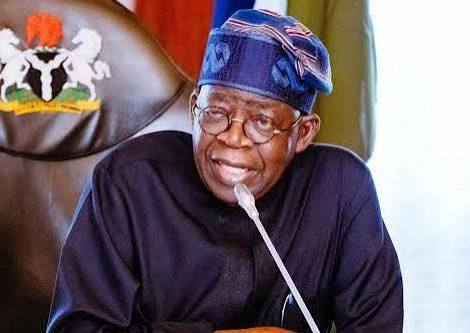
Sunday Dare, President Bola Tinubu’s Special Adviser on Media and Public Communications, criticised Atiku’s position in a statement, accusing the former vice president of promoting a policy that would be difficult to sustain under the country’s current crude oil production arrangements.
Dare explained that Nigeria cannot allocate its entire daily crude oil output to government-funded interventions because a substantial portion is tied to agreements with oil-producing partners. He argued that these obligations limit the quantity of crude available for any proposed subsidy programme.
The disagreement centres on how the government can ease the burden of expensive petrol without creating additional pressure on public finances. While Atiku has advocated a production-based subsidy to lower the cost of locally refined fuel, the Presidency maintains that any intervention must be backed by adequate resources and a workable financing structure.
With the 2027 general elections approaching, the exchange has brought fuel pricing back into the political spotlight. Nigerians continue to face the effects of elevated transportation and living costs, making proposals to reduce petrol prices a significant issue in the debate over the country’s economic direction.