

Every second brings Nigerians closer to exercising their democratic right and shaping the future of our nation.
Exercise your democratic right responsibly, peacefully and lawfully.
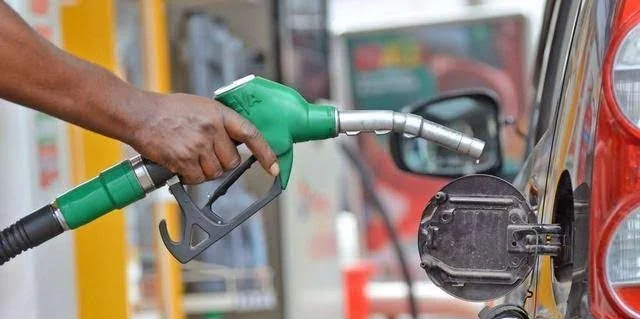
Nigeria’s reliance on imported petrol has declined significantly, with daily import volumes falling by 58.9 per cent between January and September 2026, according to fresh industry figures.
Data from the Nigerian Midstream and Downstream Petroleum Regulatory Authority (NMDPRA) showed that average daily petrol imports dropped from 24.8 million litres in January to 10.2 million litres in September, indicating a reduction of 14.6 million litres per day.
The decline coincided with a stronger contribution from domestic refineries. Locally supplied petrol rose from 17.6 million litres daily in September 2025 to 28.5 million litres in September 2026, representing a 61.9 per cent increase over the period.
As a result, local sources accounted for 73.6 per cent of the 38.7 million litres of petrol received daily in September, while imported products made up the remaining 26.4 per cent.
Despite the increased share of locally supplied fuel, Nigeria experienced a shortfall in September as total daily petrol receipts fell to 38.7 million litres, below the reported consumption of 44.4 million litres. This left a supply gap of 5.7 million litres per day.
The regulator’s figures also showed that petrol consumption increased by seven per cent from 41.5 million litres daily in August to 44.4 million litres in September. Over the same period, total daily receipts declined from 50.5 million litres to 38.7 million litres.
Domestic supply fell from 35.9 million litres per day in August to 28.5 million litres in September, while imported volumes dropped from 14.6 million litres to 10.2 million litres daily.
Although petrol stock coverage improved slightly from 22.9 days in August to 23.9 days in September, it remained below the regulator’s 30-day benchmark. The figures indicate that reducing dependence on foreign supplies has not completely resolved the challenge of meeting Nigeria’s daily fuel demand.