

Every second brings Nigerians closer to exercising their democratic right and shaping the future of our nation.
Exercise your democratic right responsibly, peacefully and lawfully.
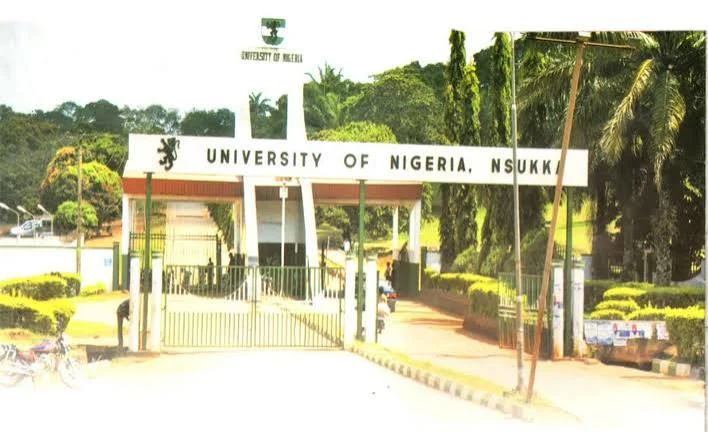
The University of Nigeria, Enugu Campus, has intensified efforts to promote technology-driven scholarship by equipping health science academics and students with skills to apply artificial intelligence in research and teaching.
The initiative brought together more than 120 participants for a two-day capacity-building programme designed to expose them to emerging digital tools that could improve the quality and efficiency of academic work.
The exercise was organised by the university’s Faculty of Health Sciences and Technology in collaboration with The Beaconsmith Collective, an Enugu-based organisation promoting artificial intelligence education and its practical use across different sectors.
During the sessions, participants explored how AI-powered applications could assist in reviewing scientific literature, preparing lecture materials, analysing research information and developing assessment questions for students.
The programme also introduced participants to digital methods for identifying research funding opportunities and building academic connections with international institutions. Organisers said the knowledge gained could help researchers improve their output and compete more effectively for grants and collaborative projects.
Nzube Chikwado Ndiokwelu, founder of The Beaconsmith Collective and facilitator of the training, emphasised the importance of understanding both the benefits and limitations of artificial intelligence. He urged academics to use the technology responsibly, particularly in health-related research where inaccurate information could have serious consequences.
Participants were also warned about the risk of relying excessively on AI-generated content, including false citations and incorrect information. The training stressed that human judgment, independent verification and established academic standards must remain central to research activities.
The Dean of the Faculty of Health Sciences and Technology, Prof. Antoninus Obinna Ezeukwu, and the Deputy Provost of the College of Medicine, Prof. Charles Ugwoke Eze, were among the university officials associated with the programme.
The exercise followed an earlier AI training session organised for the university’s Faculty of Social Sciences in August 2026, reflecting a broader effort to introduce artificial intelligence skills across academic disciplines.