


Every second brings Nigerians closer to exercising their democratic right and shaping the future of our nation.
Exercise your democratic right responsibly, peacefully and lawfully.
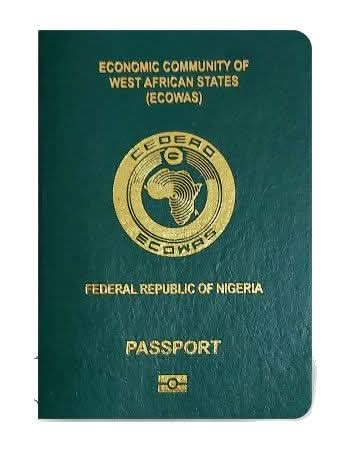
Nigerians seeking to travel abroad may face increasingly limited options for visa-free entry, following a report that places the country’s passport 181st in the latest IziVisa Passport Ranking Index, with only 24 destinations reportedly accessible without a visa.
The ranking has drawn attention to the travel restrictions confronting Nigerian passport holders and the gap between Nigeria and several other countries whose citizens enjoy greater freedom to cross international borders.
Data published by IziVisa.com show that, beyond the 24 visa-free destinations, Nigerians can obtain visas on arrival in 16 countries, while electronic visa applications are available for another 43 destinations. Access requirements vary by country, and travellers must confirm the applicable conditions before making their journeys.
The latest report presents a different picture from the Henley Passport Index published in July 2026, when Nigeria occupied the 90th position and had access to 44 destinations without securing a visa in advance. However, the figures come from separate ranking systems, meaning the reported positions do not establish that Nigeria experienced a direct fall of 91 places within a single index.
Other African countries recorded stronger positions in the July Henley assessment. South Africa ranked 49th, followed by Botswana in 61st place. Morocco and Kenya occupied the 67th and 68th positions, respectively, while Ghana was ranked 70th.
On the international scene, the United Arab Emirates reportedly topped the IziVisa ranking, with access to 185 destinations out of 198 assessed. Switzerland followed in second place, while Luxembourg, Malta, Denmark, Spain and Finland were among the countries with highly ranked passports.
The Henley Passport Index uses information from the International Air Transport Association to measure the travel access available to passport holders across 227 destinations. Its assessment focuses on destinations that can be entered without obtaining a traditional visa before travelling, while other ranking platforms may apply different criteria.
A passport’s strength can significantly affect the ease of international movement. Travellers who require visas for more destinations often have to provide additional documents, pay application charges and wait for approval before departure. These requirements can complicate travel arrangements for Nigerians attending international conferences, pursuing education abroad or exploring commercial opportunities.
Despite the concerns surrounding the reported figures, the difference between the IziVisa and Henley rankings makes it necessary to examine each index separately. The latest report has nevertheless placed renewed focus on the international travel privileges available to Nigerian citizens and the importance of reliable, comparable data when assessing the country’s passport strength.