


Every second brings Nigerians closer to exercising their democratic right and shaping the future of our nation.
Exercise your democratic right responsibly, peacefully and lawfully.
A controversy has emerged in Bende Federal Constituency of Abia State ahead of the 2027 general elections, following disagreements over a document said to establish a rotational arrangement for the House of Representatives seat between Bende North and Bende South. Some traditional rulers whose names reportedly appear on the document have publicly denied participating in or endorsing the agreement.
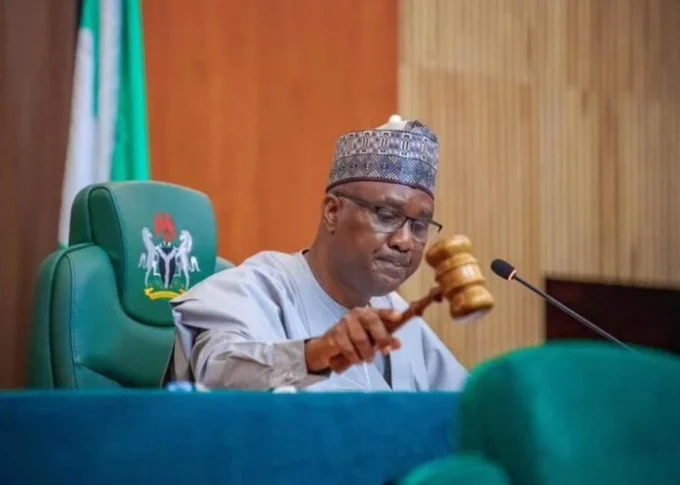
The disputed document, said to have originated in 2019, allegedly provides for an eight-year tenure by one political bloc before the seat rotates to the other. It has become a subject of political debate involving Labour Party aspirant Chima Anyaso and the camp of the Deputy Speaker of the House of Representatives, Benjamin Kalu, who represents Bende Federal Constituency.
Emmanuel Trumps Eke, Director-General of the Benjamin Kalu Movement, rejected the document, claiming that neither he nor Kalu signed the purported agreement. He questioned inconsistencies in the dates and formatting of the papers and alleged that material from an earlier letter had been altered to create the disputed document. These allegations have not been independently established.
Among the traditional rulers who disassociated themselves from the document were Eze Patrick Ude, Eze Jerry Akpala Igwe and Eze John Akaliro. In separate statements, they reportedly denied attending any meeting where the alleged agreement was reached and rejected the signatures attributed to them, urging the public not to associate them with the publication.
The controversy has intensified debate over fairness, political representation and power rotation in Bende as parties prepare for the 2027 elections. With conflicting accounts emerging over the document and the existence of a formal agreement, the dispute places renewed focus on the need for transparency, credible evidence and peaceful engagement among political stakeholders and traditional institutions.