


Every second brings Nigerians closer to exercising their democratic right and shaping the future of our nation.
Exercise your democratic right responsibly, peacefully and lawfully.
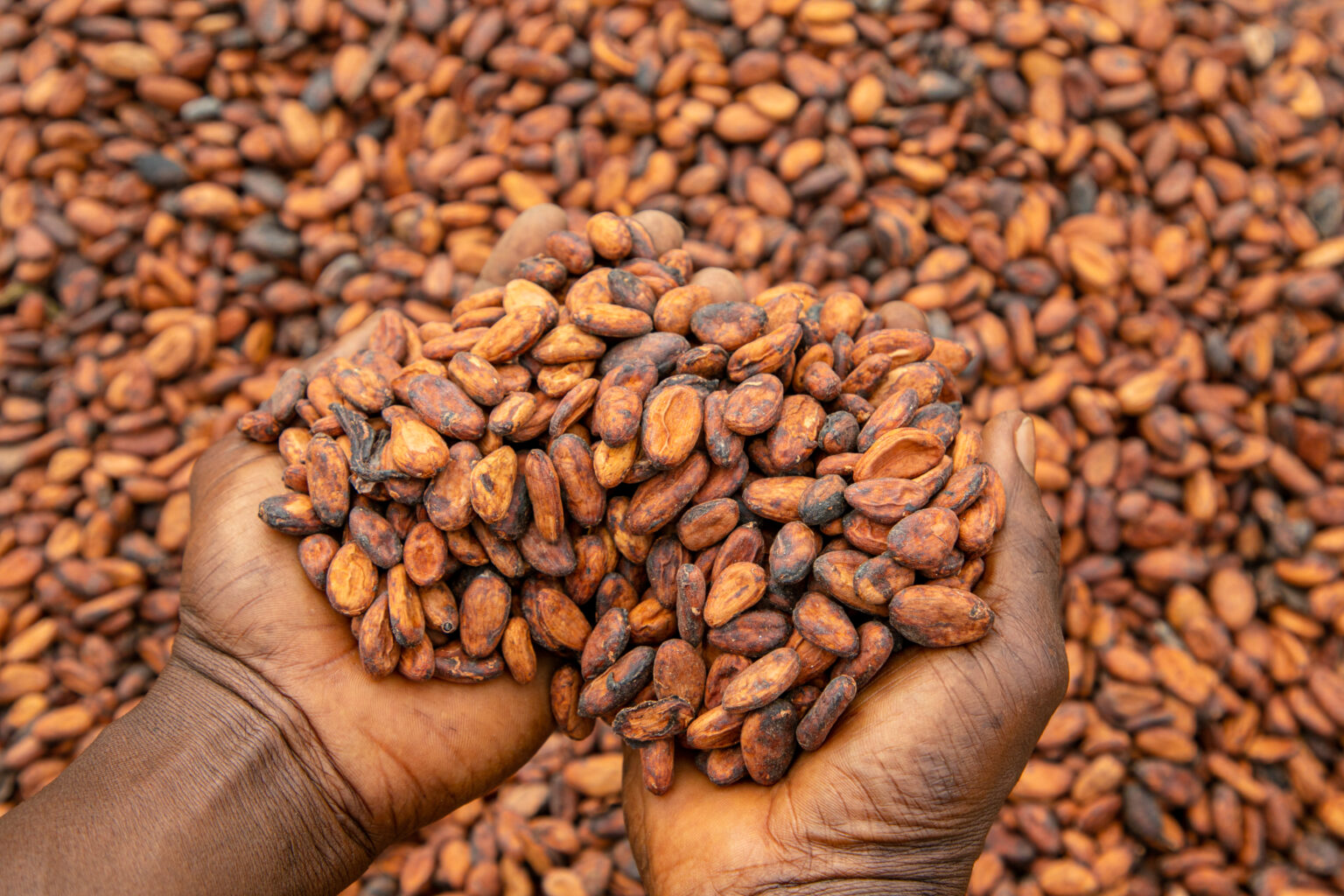
Nigeria generated $142 million from cocoa bean shipments to the United States in 2025, marking a significant increase in earnings from the agricultural commodity compared with the previous year.
Export figures show that Nigeria’s cocoa sales to the American market rose from $21.7 million in 2024 to $142 million in 2025. The increase translates to an additional $120.3 million in export revenue, reflecting stronger trade performance within the period.
The development places fresh attention on cocoa as a potential source of foreign exchange for Nigeria at a time when the country is seeking to expand non-oil revenue streams. Greater demand from international buyers could also create opportunities for farmers, commodity traders, exporters and businesses involved in the transportation and processing of cocoa.
Nigeria has a long history of cocoa cultivation, with the crop providing livelihoods for farming communities in several parts of the country. However, the benefits of rising export earnings will depend partly on whether increased international demand leads to better prices for farmers, expanded cultivation and improved access to modern agricultural equipment.
Industry growth could also encourage investment in local processing, allowing more cocoa products to be manufactured within Nigeria before export. Such a shift could help businesses earn additional revenue from products with greater commercial value rather than relying heavily on the shipment of raw agricultural produce.
Trade between Nigeria and the United States also involves substantial agricultural imports. Wheat represents about 67 per cent of US agricultural exports to Nigeria, supplying a key ingredient for locally consumed foods such as bread, pasta and noodles.
The contrast between Nigeria’s cocoa exports and its demand for imported agricultural products illustrates the different roles both countries play in their bilateral trade relationship. While Nigerian cocoa serves buyers in the American market, US wheat supplies contribute to Nigeria’s food-processing industry and domestic consumption.
Maintaining the growth recorded in cocoa exports will require sustained investment in farming, reliable access to credit, improved storage and transportation, and stricter quality standards. Expanding processing facilities could further strengthen Nigeria’s competitiveness and increase the economic benefits generated from the crop.
The rise in cocoa export earnings presents an opportunity for Nigeria to deepen its presence in international agricultural trade. Turning the increase into long-term economic progress will require policies and investments that support farmers, strengthen local businesses and ensure that a greater share of the value generated by cocoa remains within the country.